Zoo & Aquarium Work
Zoo-University Collaboration
As the Graduate Program Manager at the Cincinnati Zoo & Botanical Garden I am a human-shaped bridge between the Zoo and Miami University. Miami University in Oxford, OH is the accredited institution through which our students earn their M.A. in Biology. The Advanced Inquiry Program (AIP) is one of two inspiring, unique, and refreshing master’s programs offered by Project Dragonfly via Miami. Through working with these AIP students, I am grateful to have the opportunity to learn more about everything from lack of accessibility to nature for people with disabilities to nocturnal behaviors of invertebrates. By being flexible, staffed with passionate (and compassionate) people at both the University and Zoo , and supportive of students individual experiences I have found that this program is truly student-centered in a way I’ve seen in no other graduate degree program.

Wilder Zoos
This edited volume asks, “What could modern zoos look like if they attempted to be more wild?” The resulting essays run the gambit from micro-organisms to elephant history. Though some may expect this to be a zoo management book, it’s more of a rumination on how to bring real wildness back into the zoo — and if we should even want to.
In my co-authored chapter, we investigated whether visitors perceived of the Desert Museum in Tucson, Arizona as a “zoo” (it is accredited by the Association of Zoos & Aquariums) and what a “wilder” Desert Museum would look like.
Review of the collection:
“This remarkable collection of essays addresses the shifting and conflicted missions of zoos in the modern world. The central theme of the chapters is the possibility of enhancing the experience of wildness for zoo animals and visitors. Along the way, the authors address a host of fascinating questions. For example, what would a wilder zoo look like? Is a baby rhino who was conceived via in vitro fertilization a wild animal? Can zoos prepare animals for life in the wild? This book changed the way I think about zoos, and I suspect it will pave the way for the zoos of the future.”
- Hal Herzog, author of Some We Love, Some We Hate, Some We Eat: Why It’s So Hard To Think Straight About Animals
Animal Behavior Monitoring
I have experience collecting behavioral data using ethograms on the following species:
Greater & Lesser Flamingo (social & breeding behaviors)
Grevy’s Zebra (mother-foal interactions), designed ethogram
Siamang (social behaviors)
Sumatran Tiger (reproductive behaviors)
Taveta Golden Weaver (nest building)
Western Lowland Gorillas (long-term social monitoring & dietary behaviors)
White-Cheeked Gibbons (social behavior)
I have monitored the following via recordings:
Carmine bee-eaters (social interactions)
Kinkajou (night time behavior)
Scimitar horned oryx (feeding & social behavior)
African elephant (social behaviors)
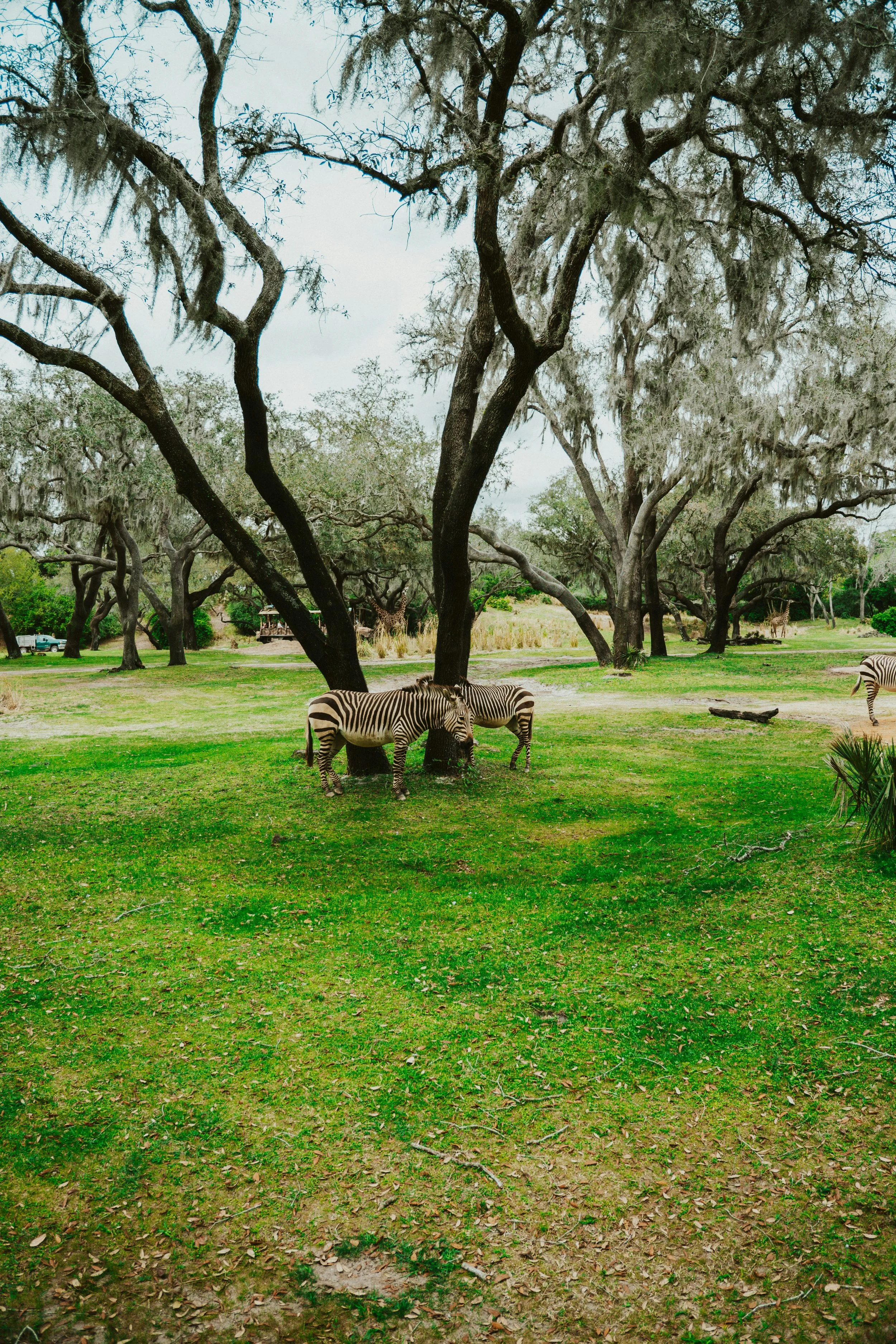
Photo by Nicholas Fuentes on Unsplash

Gorillas, Groupers, & Visitors
As an undergrad at Eckerd College, I worked the following projects evaluating human- animal interactions as a member of the comparative psychology club.
While working with Eckerd professor Dr. Lauren Highfill, I monitored gorillas at Busch Gardens Tampa in a blind evaluation of different diets, to reduce Regurgitation/Reingestion - which we successfully did.
In another project I monitored visitor stay time and interaction at three exhibits (goliath grouper, american alligator, ringtail lemur) at the Florida Aquarium.
I monitored animal behavior via recordings for species at Zoo Tampa.